PSA Gas Separation Technology Drives Demand for Molecular Sieve Adsorbents
As demand for industrial gases continues to increase worldwide, gas separation technologies are becoming increasingly important across many industries. Among these technologies, Pressure Swing Adsorption (PSA) has become one of the most widely used methods for industrial gas production and purification.
PSA systems operate by utilizing the difference in adsorption capacity of materials under varying pressure conditions. When the pressure changes, certain gas molecules are adsorbed by the material while others pass through the system, enabling efficient gas separation.
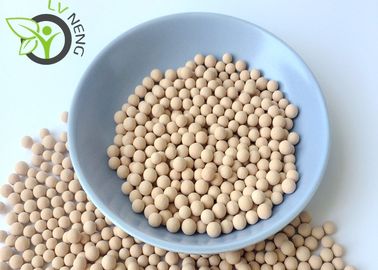
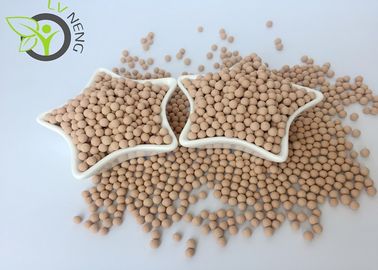
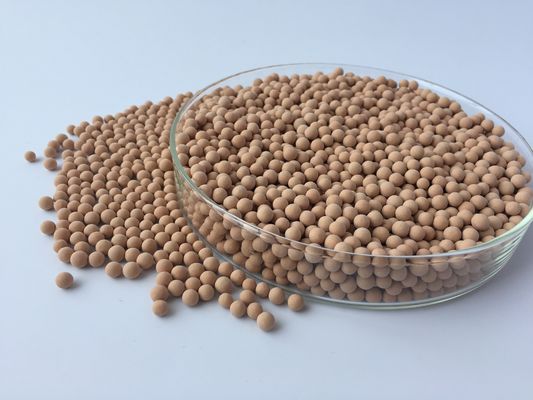
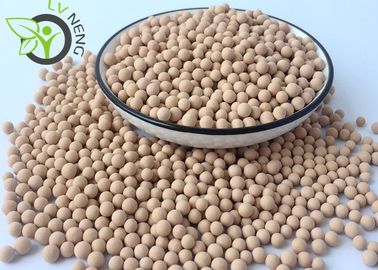
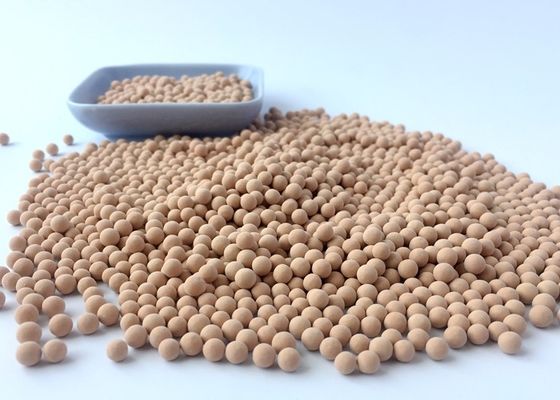
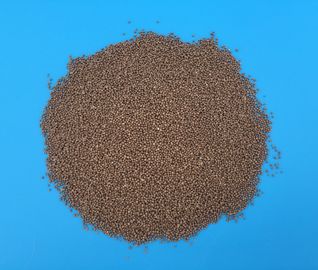
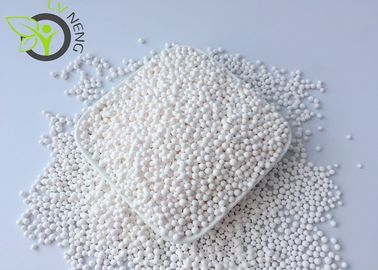
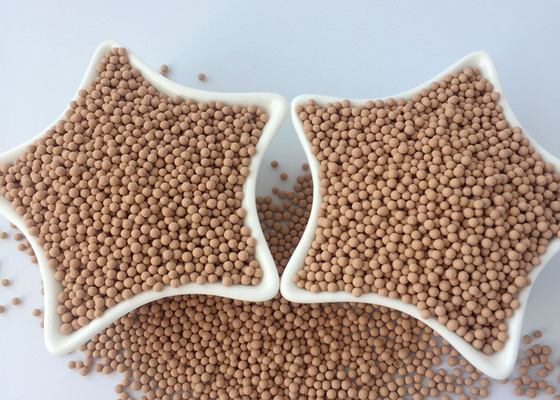
In PSA systems, molecular sieve adsorbents play a critical role as the primary separation material. Zeolite molecular sieves have highly ordered crystalline structures and uniform micropore sizes. These characteristics allow them to selectively adsorb specific gas molecules during the molecular sieve adsorption process.
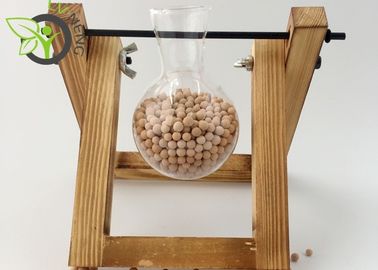
In industrial equipment, molecular sieve pellets are typically packed inside adsorption towers to form complete gas separation or molecular sieve dryer systems. When compressed air enters the adsorption tower, the molecular sieve selectively adsorbs certain gas molecules based on molecular size and polarity, while other gases pass through the system.
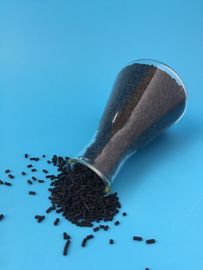
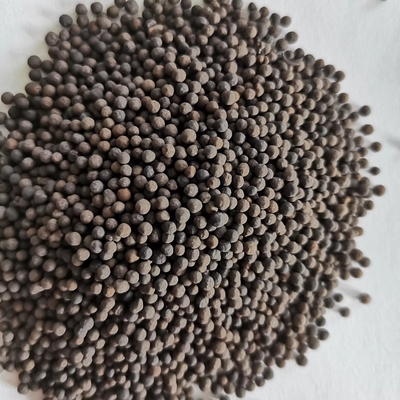
PSA technology is widely used in nitrogen generation and oxygen production systems. In PSA nitrogen generators, specific molecular sieve materials or carbon molecular sieves preferentially adsorb oxygen, allowing high-purity nitrogen to be produced. In PSA oxygen generators, zeolite molecular sieve adsorbents selectively adsorb nitrogen, increasing the concentration of oxygen in the output gas stream.
In addition to gas separation, molecular sieve materials can also remove moisture and carbon dioxide from gas streams, making them essential components in gas purification systems. Common materials include 3A molecular sieve desiccant and 4A molecular sieve desiccant, both known for their high adsorption capacity and excellent regeneration performance.
As industries such as electronics manufacturing, chemical processing, and renewable energy continue to grow, the demand for high-purity industrial gases is expected to increase significantly. Consequently, PSA gas separation technology and molecular sieve adsorbents will play an increasingly important role in modern industrial gas processing systems.
FAQ
What is PSA gas separation technology?
PSA (Pressure Swing Adsorption) is a gas separation process that uses adsorption materials such as molecular sieves to separate gases under different pressure conditions.
Why are molecular sieves used in PSA systems?
Because molecular sieves have uniform micropores that allow selective adsorption of specific gas molecules, making them ideal for gas separation.
What industries use PSA gas separation systems?
Industries such as petrochemical processing, electronics manufacturing, food packaging, and medical oxygen production commonly use PSA gas separation systems.


 Your message must be between 20-3,000 characters!