March 13, 2026
As the global energy industry shifts toward cleaner energy sources, the hydrogen energy sector is experiencing rapid growth. In hydrogen production and storage processes, gas purity is a critical factor. To ensure hydrogen quality, many production facilities adopt advanced gas purification technologies.
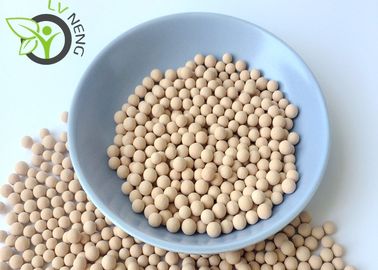
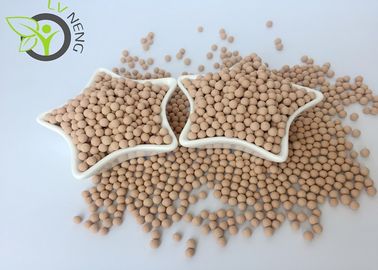
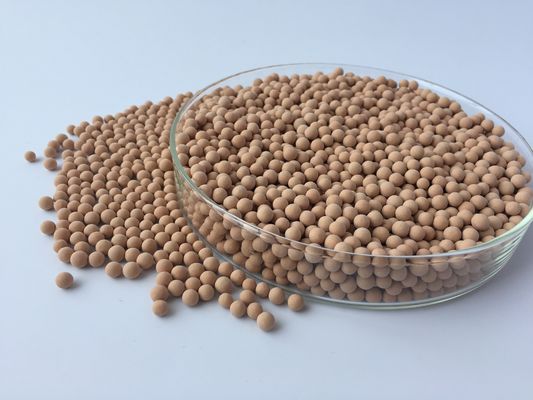
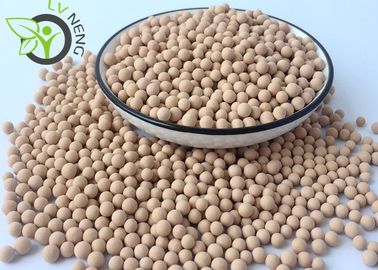
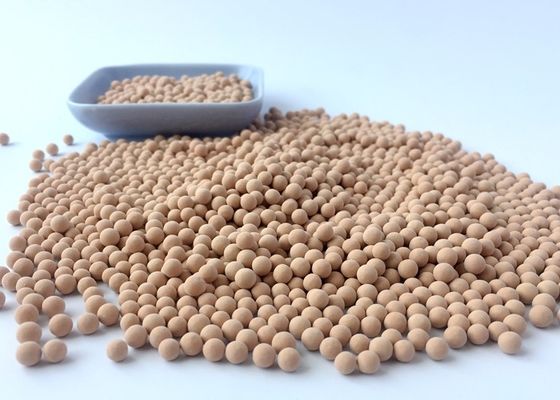
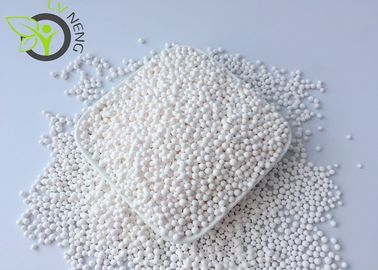
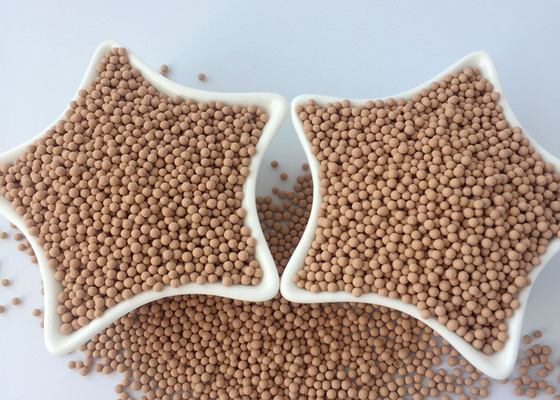
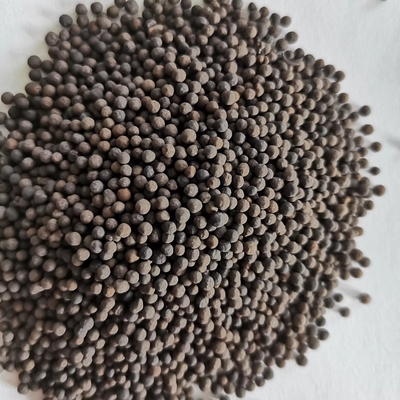
In these systems, molecular sieve adsorbents play a crucial role. Zeolite molecular sieves have a uniform microporous structure that enables them to selectively remove moisture, carbon dioxide, and other impurities during the molecular sieve adsorption process.
In hydrogen production plants, molecular sieve pellets are typically packed into adsorption towers to form complete molecular sieve dryer units. As gas passes through the adsorption bed, moisture and impurities are quickly removed, significantly improving hydrogen purity.
Among the commonly used materials, 3A molecular sieve desiccant is widely used for deep dehydration, while 4A molecular sieve desiccant is often applied in gas purification systems.
With the continued expansion of the hydrogen energy industry, molecular sieve materials are expected to play an even more important role in future energy applications.
Why are molecular sieves used in hydrogen production? They remove moisture and impurities to improve hydrogen purity.
Which molecular sieve is used for hydrogen purification? 3A and 4A molecular sieves are commonly used in hydrogen purification systems.