March 13, 2026
Gas drying plays a critical role in modern industrial production processes. Excess moisture in gas streams can lead to equipment corrosion, pipeline freezing, and catalyst performance degradation. As a result, more companies are adopting efficient molecular sieve dryer systems to remove moisture from industrial gases.
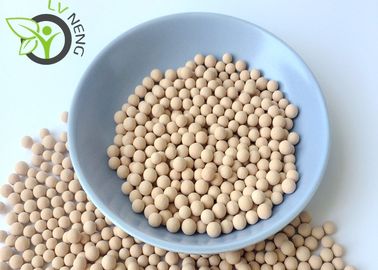
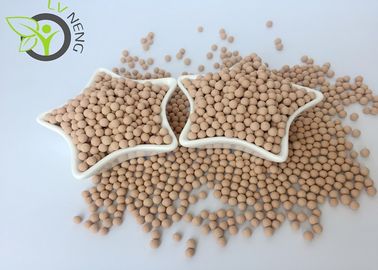
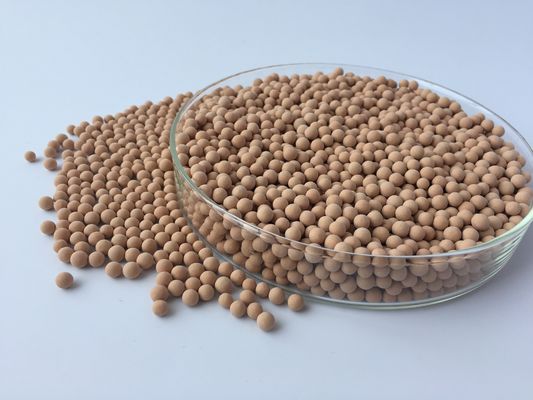
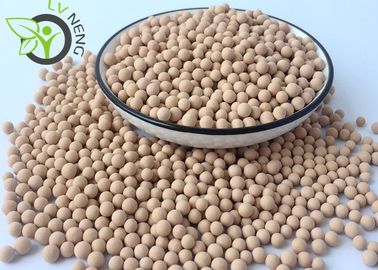
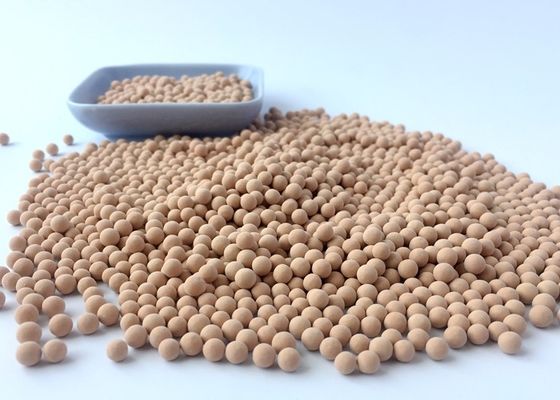
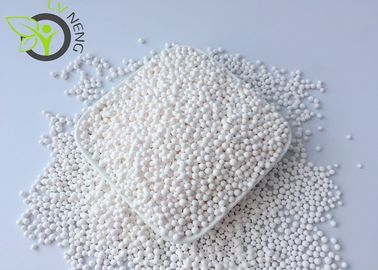
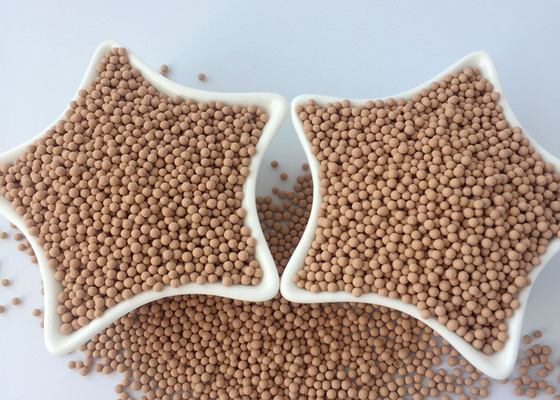
Molecular sieve desiccants are porous materials made from zeolite molecular sieves with highly uniform micropore structures. Through the molecular sieve adsorption process, these materials selectively capture water molecules while maintaining high adsorption efficiency.
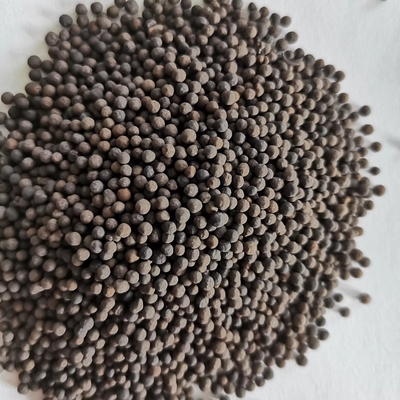
In industrial systems, molecular sieve pellets are typically packed into adsorption towers to form complete drying units. As gas flows through the tower, moisture is rapidly removed by the molecular sieve adsorbent, reducing the gas dew point and improving gas purity.
Among the most commonly used materials are 3A molecular sieve desiccant and 4A molecular sieve desiccant. The 3A type is widely used for natural gas and hydrocarbon gas dehydration, while the 4A type is commonly used in compressed air drying systems.
As industrial automation continues to expand worldwide, demand for efficient gas drying technologies is expected to grow significantly, further driving the development of molecular sieve dryer systems.
What is a molecular sieve dryer used for?
A molecular sieve dryer removes moisture from industrial gases using adsorption technology.
Which molecular sieve is used for gas drying?
3A molecular sieve is commonly used for hydrocarbon gas dehydration, while 4A molecular sieve is used in air drying systems.