March 13, 2026
3A Molecular Sieve Desiccant Widely Used in Natural Gas Dehydration
Moisture control is a critical issue in natural gas processing and transportation. Excess moisture in natural gas can lead to pipeline corrosion and the formation of gas hydrates at low temperatures, which may disrupt gas transportation.
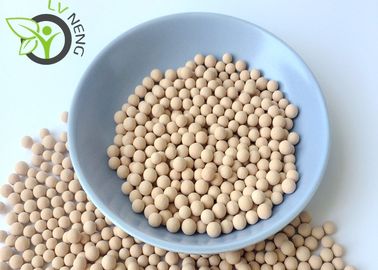
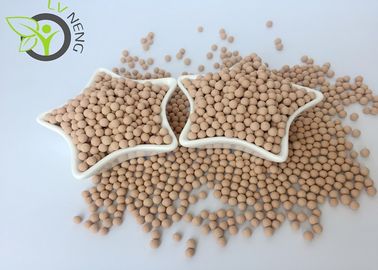
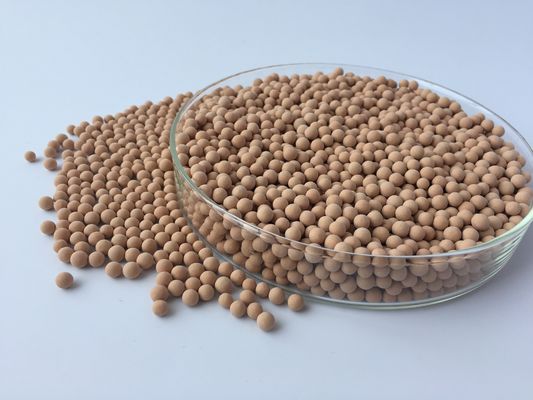
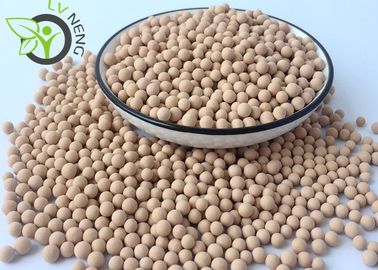
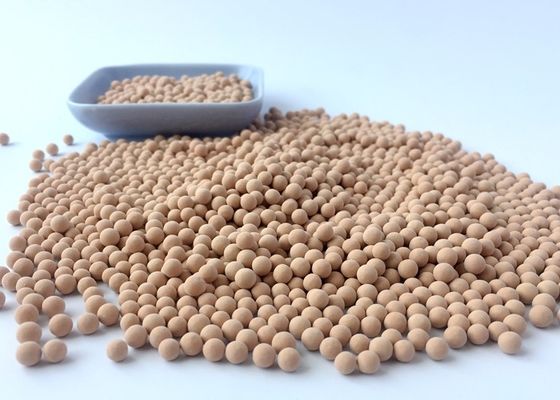
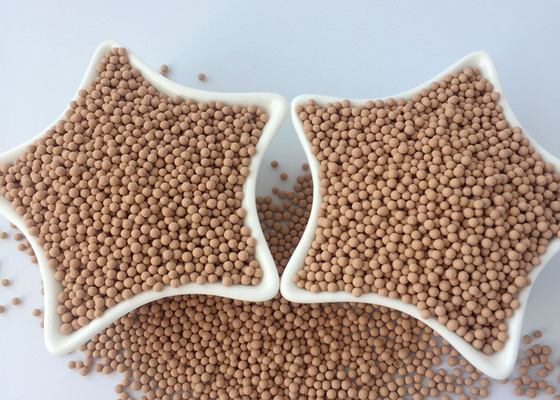
To effectively remove moisture, natural gas processing plants commonly use 3A molecular sieve desiccant for deep dehydration. 3A molecular sieve features a pore size of approximately 3 angstroms, which allows water molecules to enter the pores while preventing larger hydrocarbon molecules from being adsorbed.
In industrial systems, molecular sieve pellets are packed into adsorption towers to form complete molecular sieve dryer units. As natural gas passes through the adsorption bed, moisture is rapidly captured by the molecular sieve adsorbent, significantly reducing the gas dew point.
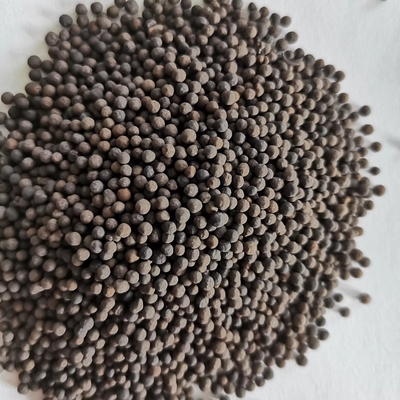
Compared with traditional drying materials, zeolite molecular sieves provide higher adsorption capacity, better selectivity, and longer service life, making them widely used in natural gas dehydration systems.
As global demand for natural gas continues to grow, the use of 3A molecular sieve desiccants in the energy industry is expected to expand further.